Power Quality Management

Power Quality Management
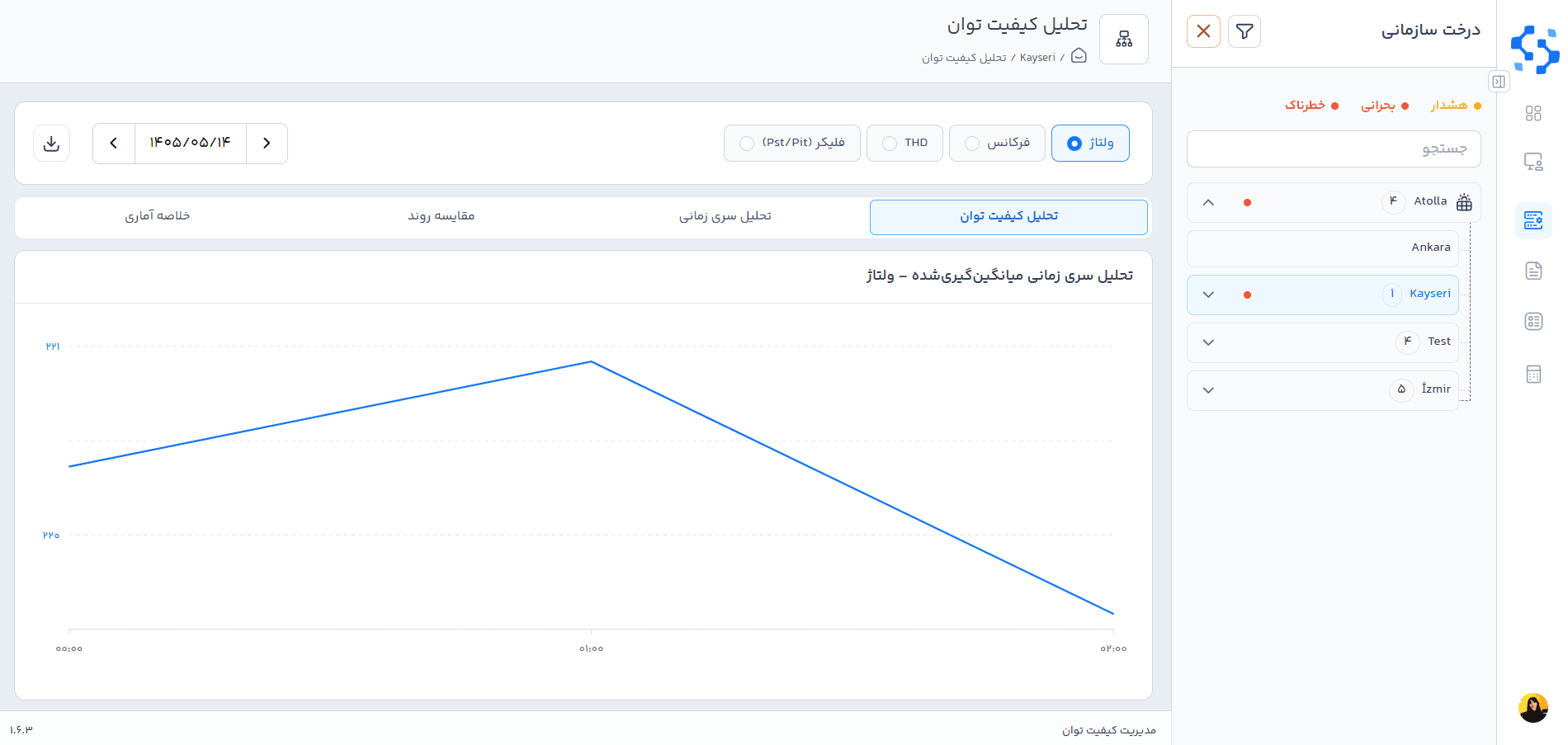
PQM is a monitoring platform that measures solar panel output against international power quality standards in real time.
Project Overview
// section.overview
Real-Time Power Quality Compliance, Standardized
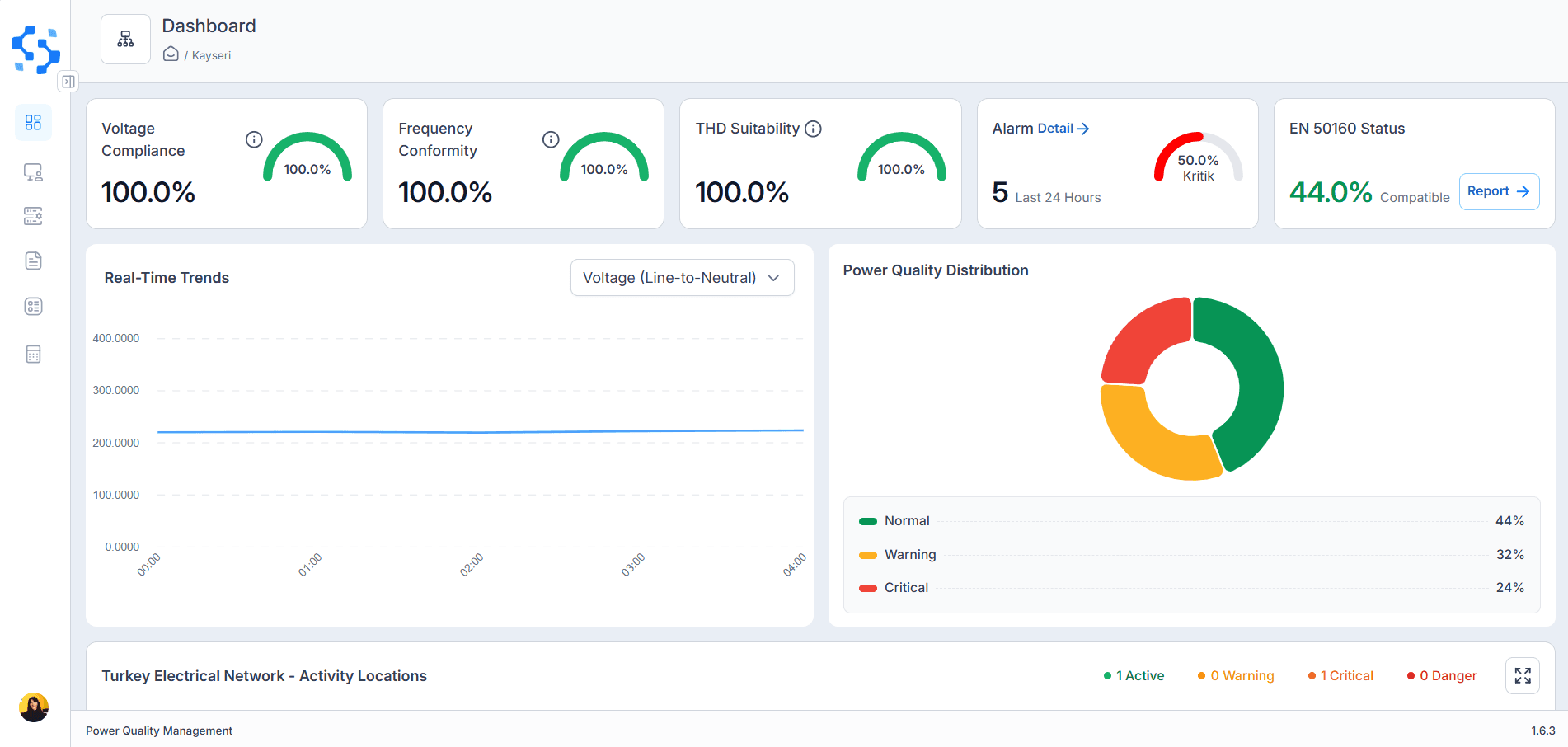
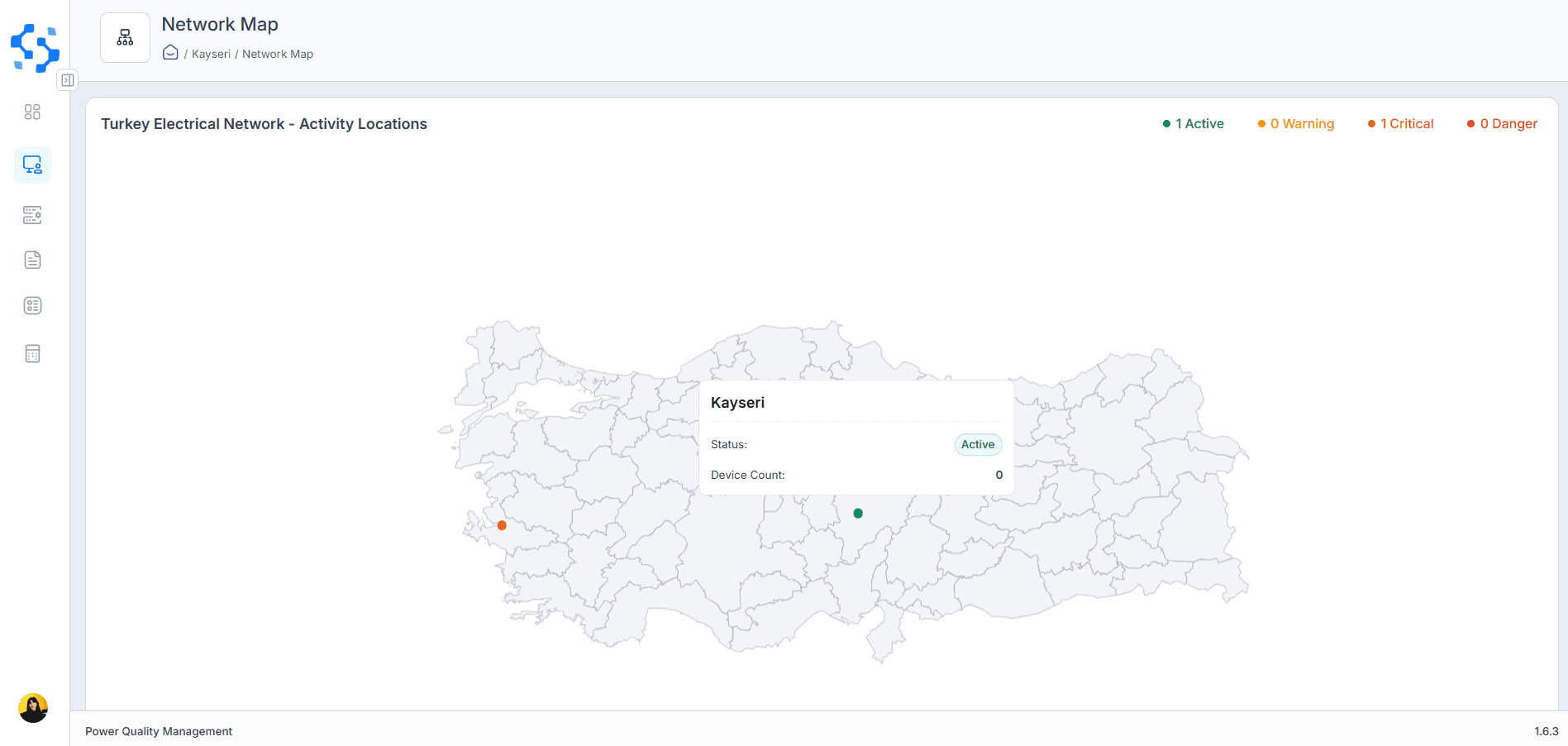
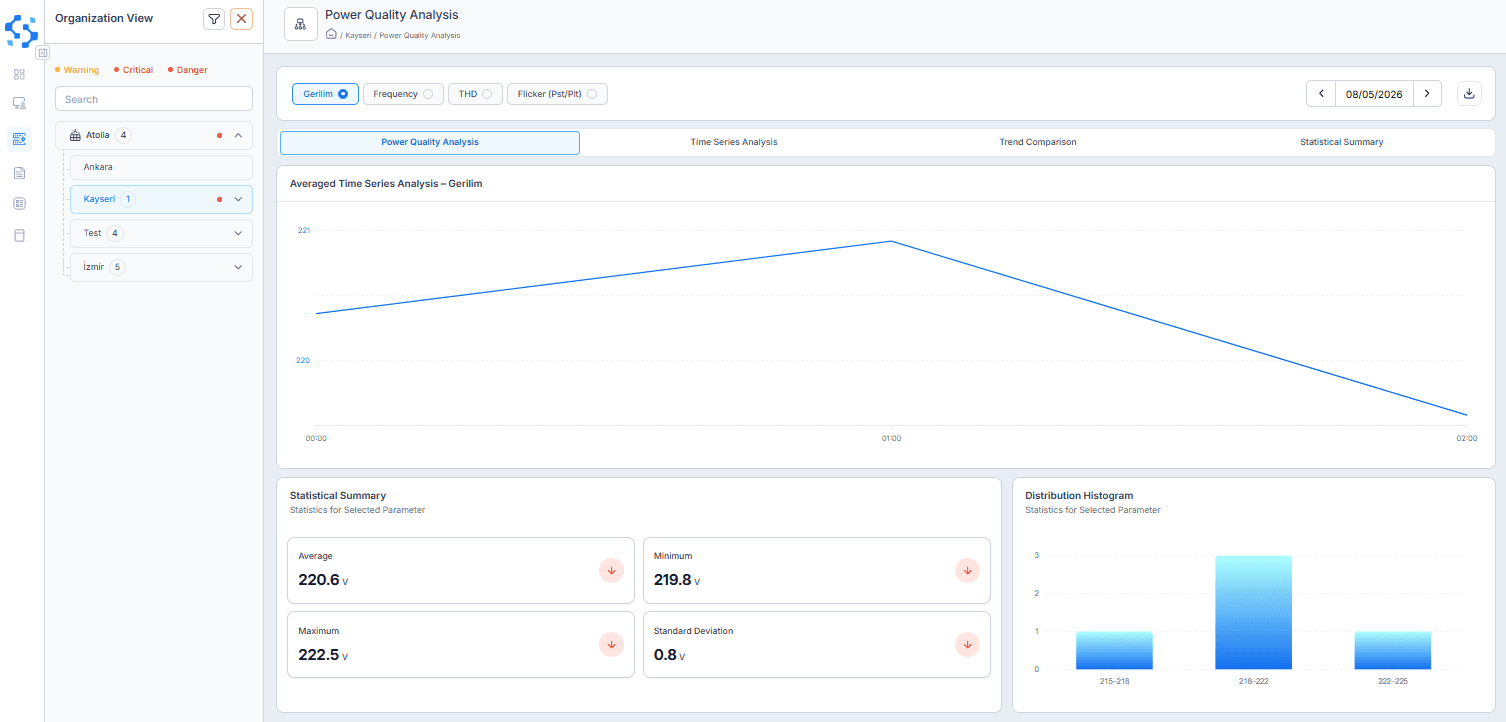
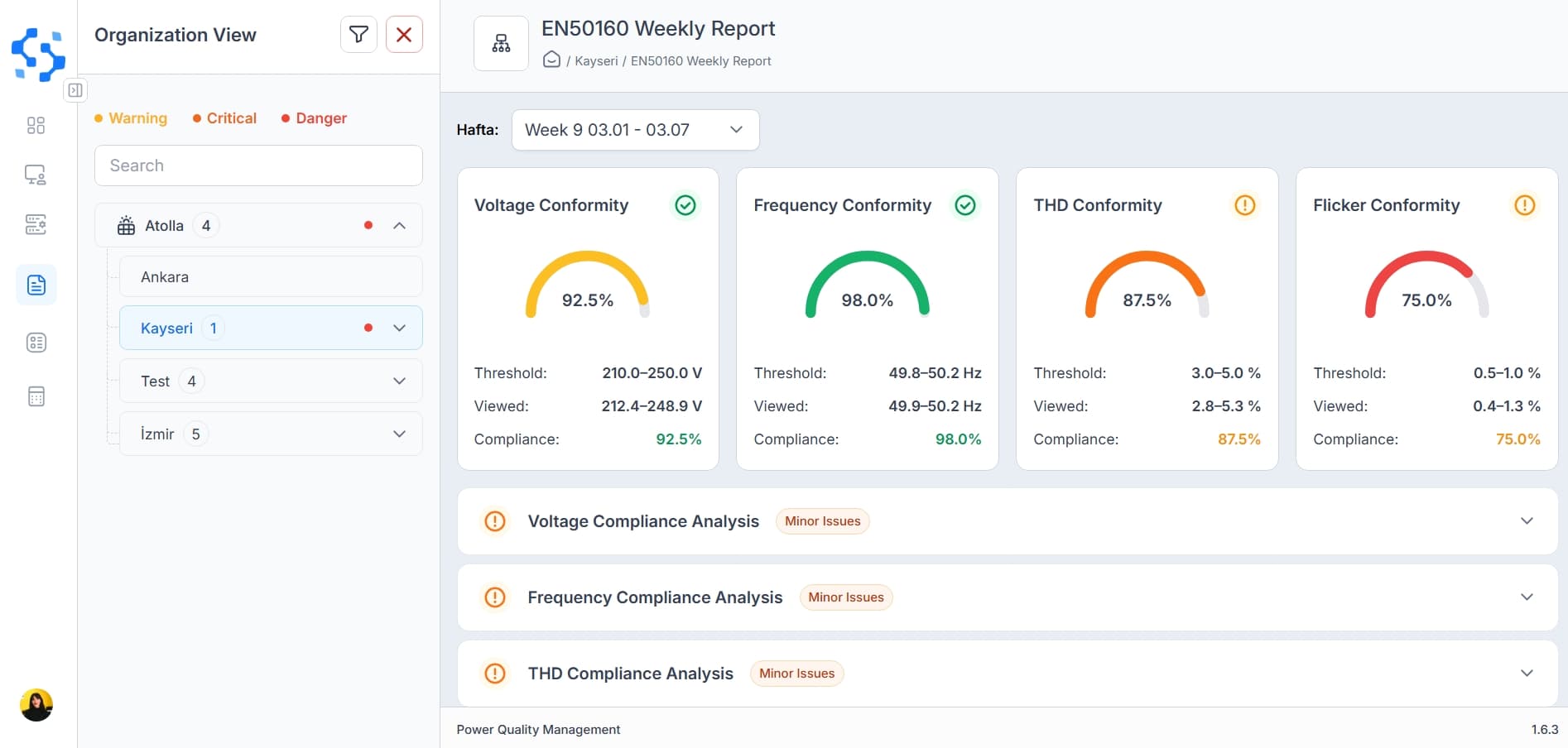
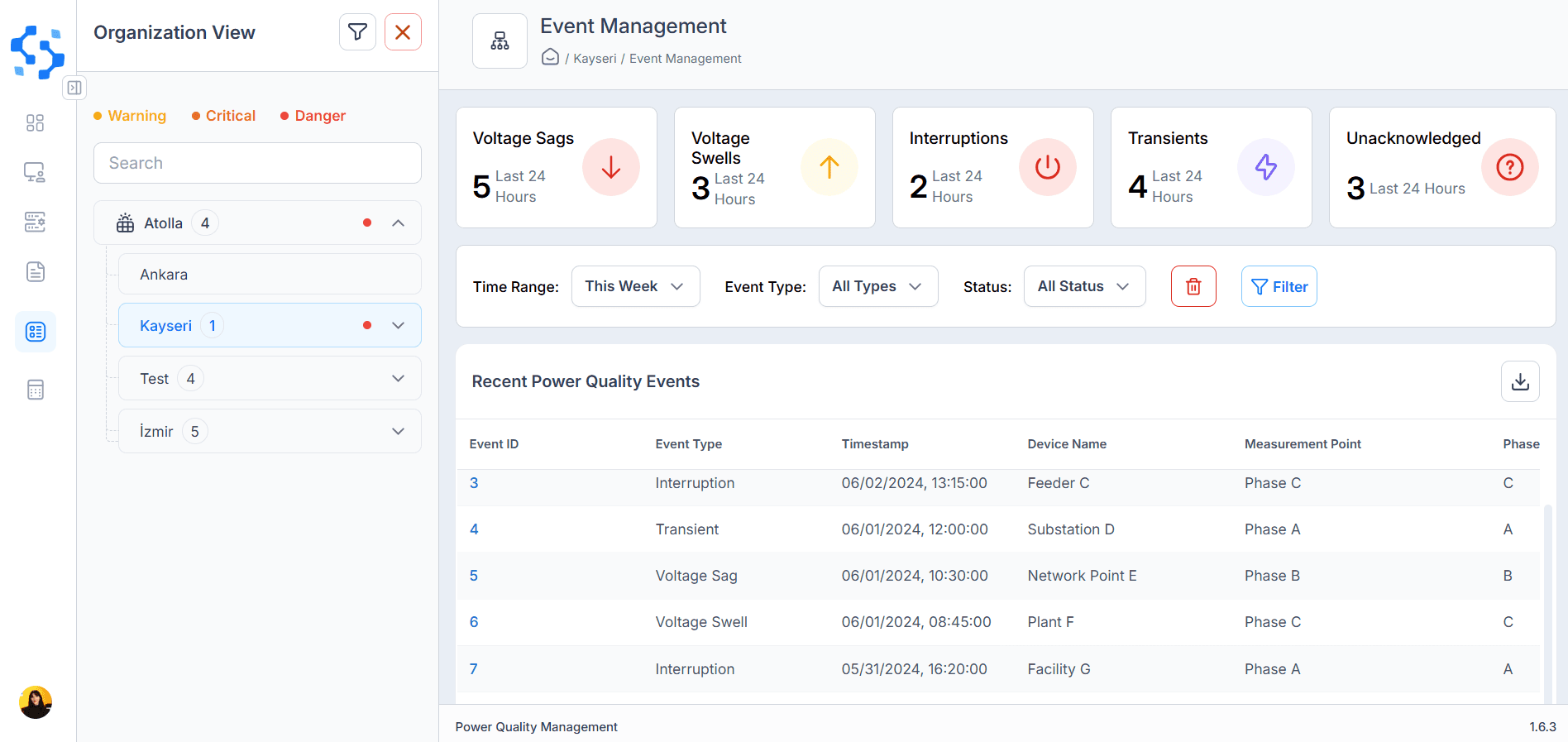
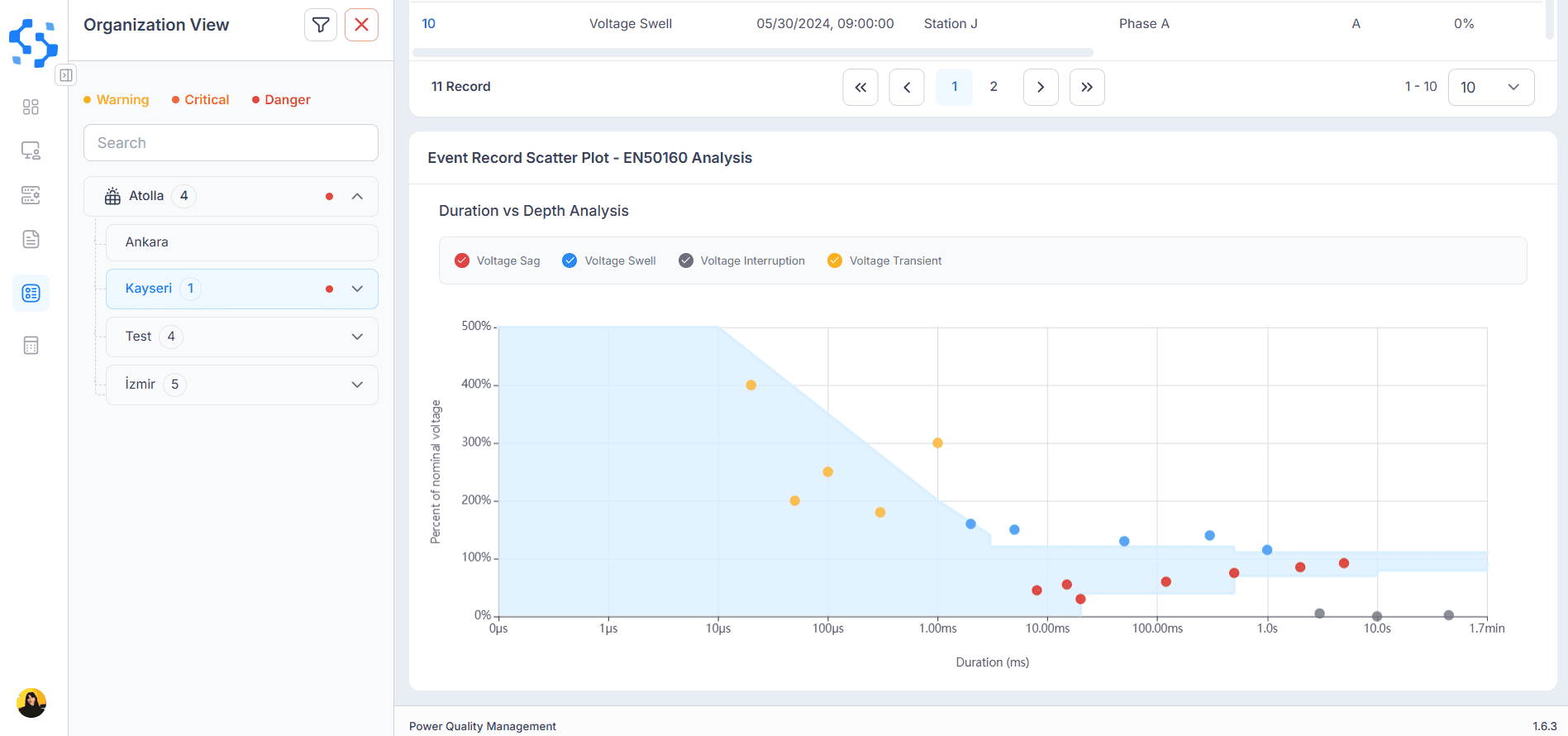
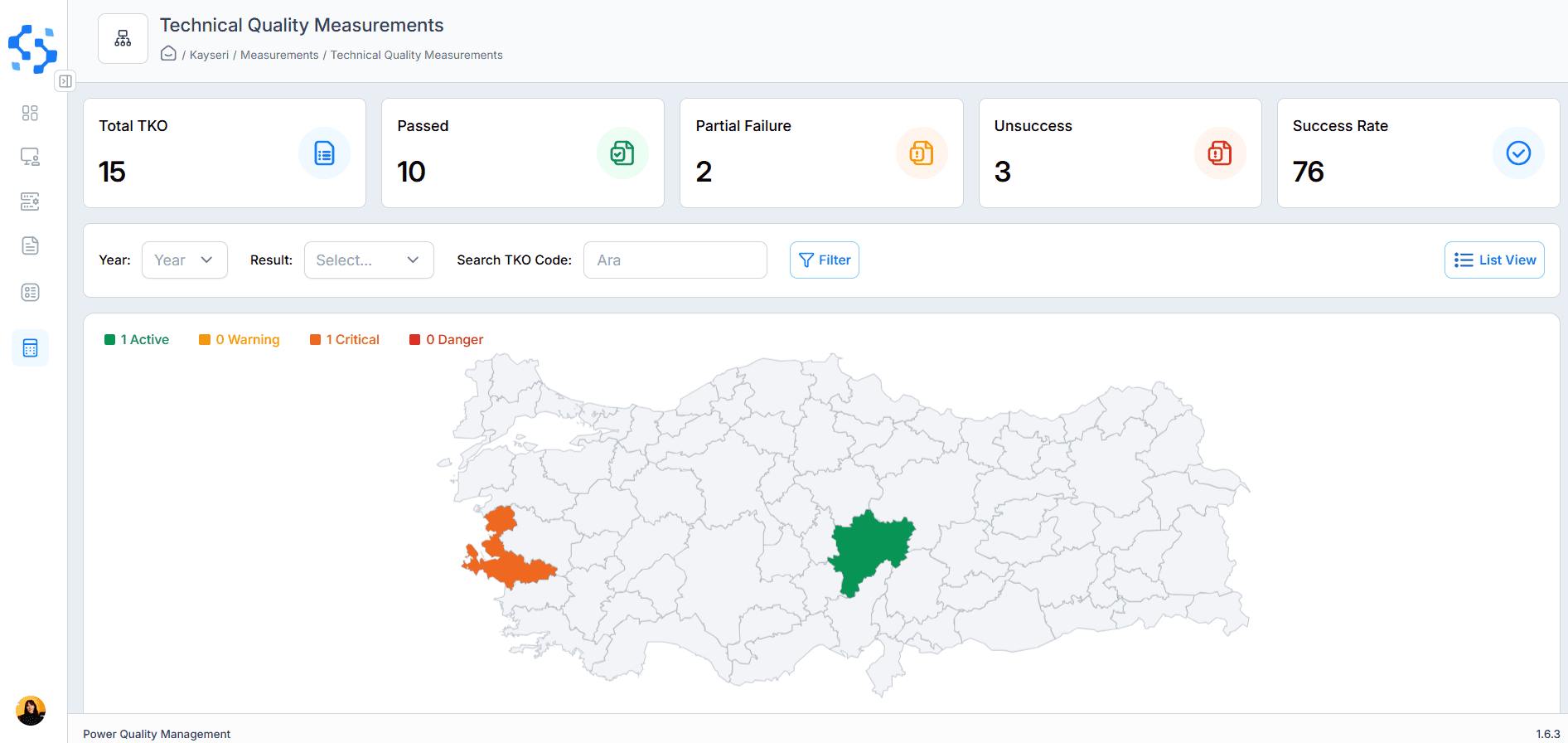
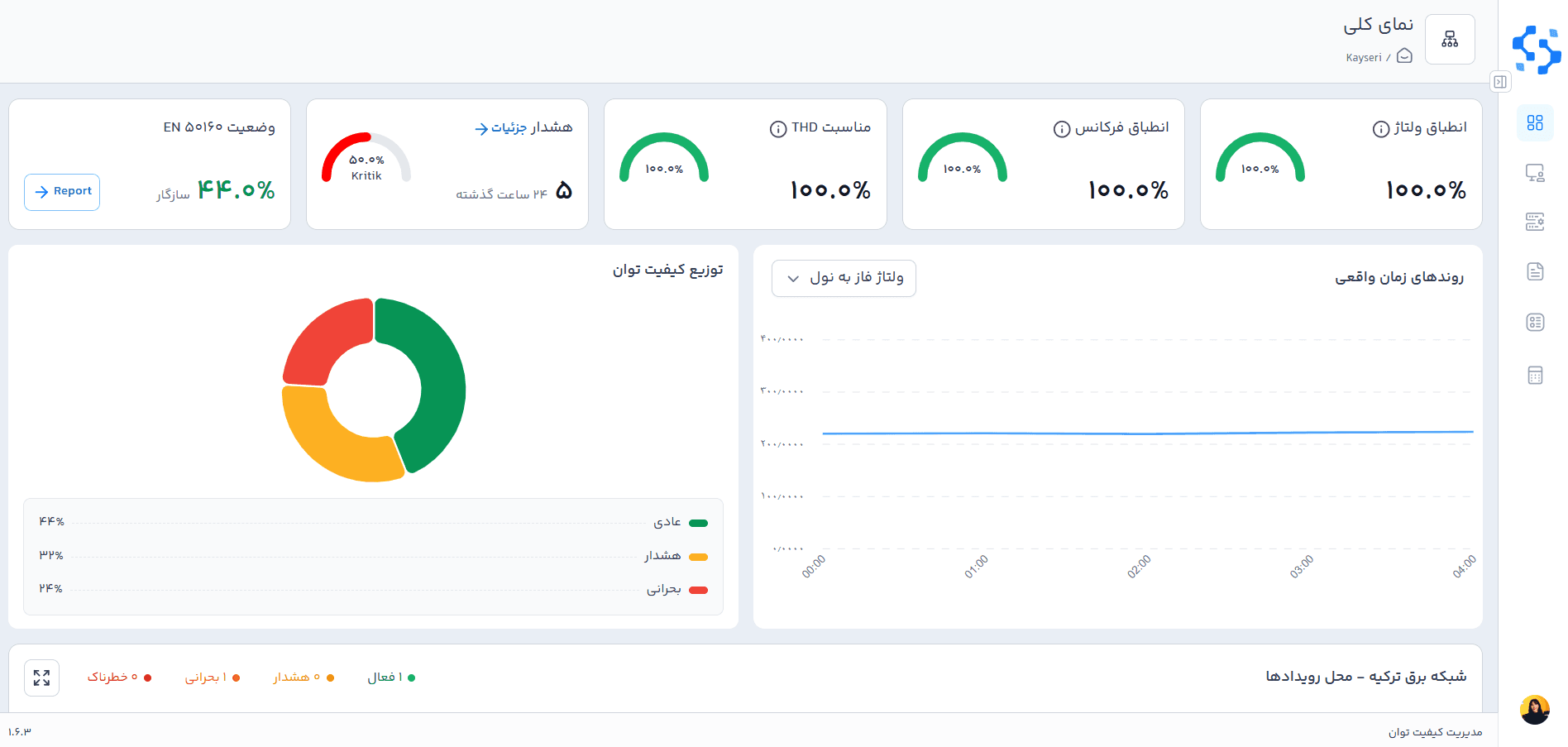
PQM is a monitoring platform that measures solar panel output against international power quality standards in real time. As frontend developer, I built the interface layer, compliance visualization, and rendering pipeline that let operators instantly see which panels meet standard and which don't.

Key Screens
// section.key.screens
Project Problem
// section.problem
Manual compliance checks were costing time, accuracy ,and regulatory confidence.
Stakeholder Needs
// section.stakeholder.needs
Standards Coverage
Support for IEC 61000, IEEE 519, and EN 50160 without separate tools for each.
Real-Time Accuracy
Sub-second detection of harmonic distortion and voltage deviations.
Fleet-Wide Scalability
Architecture capable of monitoring hundreds of panels across multiple sites.
Audit-Ready Reporting
Exportable, certifiable compliance reports generated directly from live data
Customer Needs
// section.customer.needs
Design Process
// section.design.process
RESEARCH
Studying IEC 61000 & IEEE 519 standards to define compliance thresholds
Data Architecture
Structuring harmonic distortion, voltage, and frequency datasets for fast querying
Prototyping
Technical spikes for waveform rendering and compliance scoring logic
Compliance Engine
Building a rules engine to validate readings against multiple international standards
Development
Real-time charts, threshold indicators, panel comparison views
Testing
Validating calculations against certified reference datasets
Handoff
Documentation, deployment, and monitoring setup
The Solution
// section.solution
Real-Time Compliance Checks
[01]Every reading is validated against international standards the moment it's ingested.
Performance at Scale
[02]Reduced waveform rendering time by 65% using downsampling and canvas rendering.
Actionable Alerting
[03]Replaced raw threshold triggers with time-windowed analysis to cut false positives.
Standards-Agnostic Engine
[04]Built a configurable rules engine that supports multiple international power quality standards.
Learning & Reflections
// section.learning.reflections
Standards Compliance Is a Data Modeling Problem
IEC 61000 and IEEE 519 define dozens of thresholds across harmonics, flicker, and voltage deviation. Encoding these as a flexible rules engine — rather than hardcoding checks — meant we could support new standards without rewriting the UI layer.
Waveform Rendering at Scale Needs Careful Optimization
Rendering raw harmonic waveform data for hundreds of panels in real time caused visible frame drops. I learned that downsampling on the backend and using canvas-based rendering instead of SVG was critical for keeping the dashboard responsive.
False Positives Erode Trust in Compliance Alerts
Early versions flagged transient voltage sags as non-compliance, causing operators to distrust the system. Adding time-windowed averaging before triggering an alert — instead of reacting to instantaneous readings — made alerts meaningful and actionable.
Certifiable Accuracy Requires Rigorous Testing
Because compliance results can be used in formal reporting, every calculation had to be validated against certified reference datasets, not just visually 'look right.' Building an automated test suite against known-good values caught calculation errors long before they reached production.
Next Project
Shafadoc — Doctor Appointment Booking Platform
Front-End Developer

Let's Talk
Ready to build something great together?
I'm currently available for new opportunities and exciting projects.
Feel free to reach out — I usually reply within 24 hours.