Solar & Wind Energy Management

Solar & Wind Energy Management
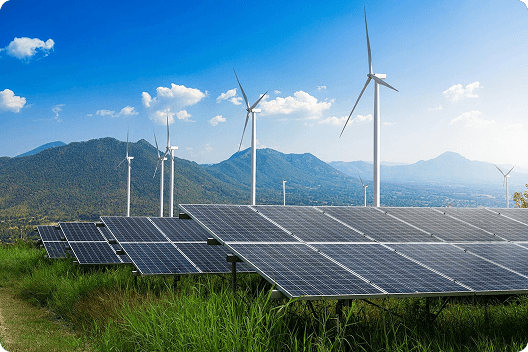
SWEM is a mission-critical platform designed for the real-time monitoring and management of large-scale solar and wind power plants.
Project Overview
// section.overview
A Unified Command Center for National Renewable Energy
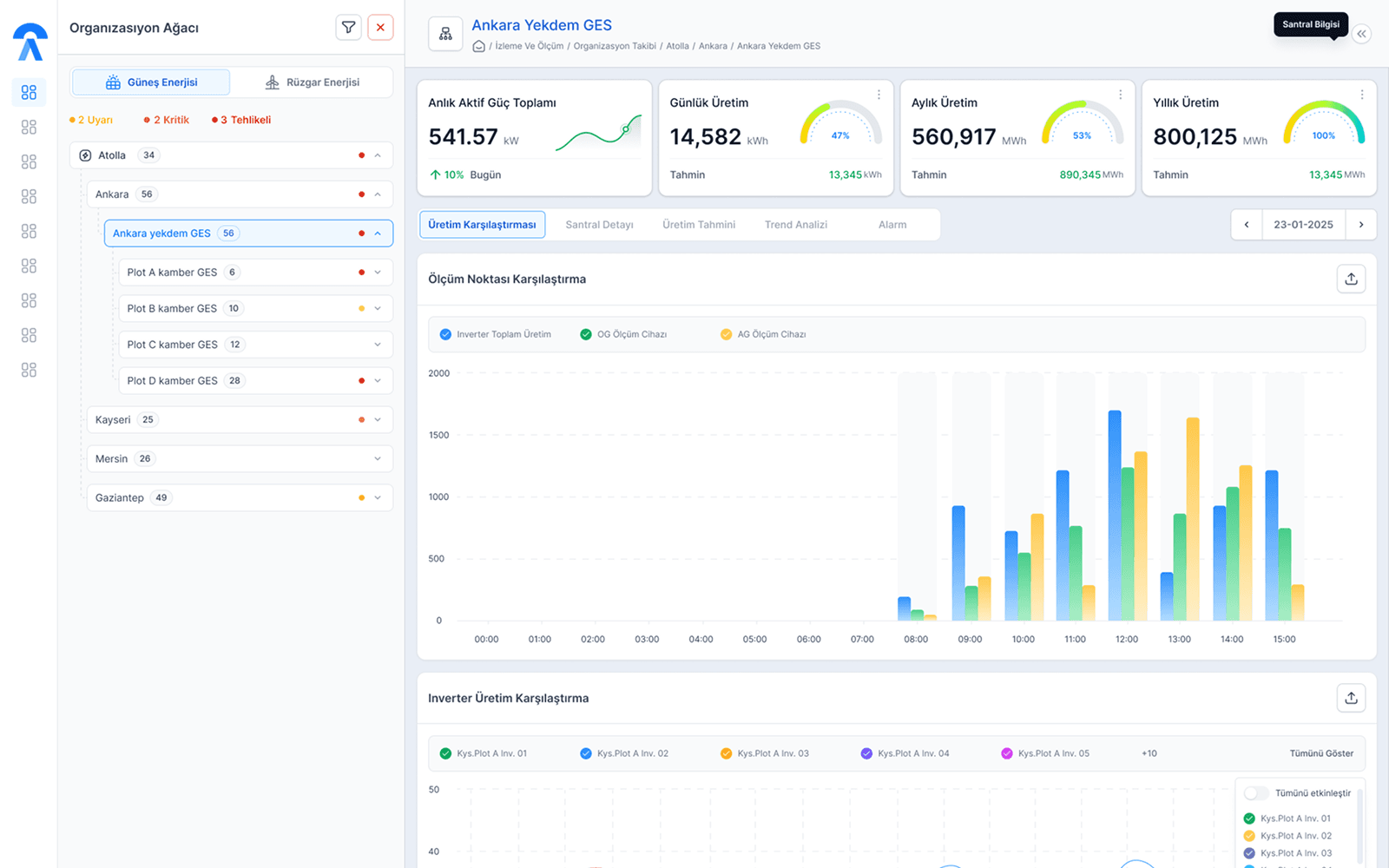
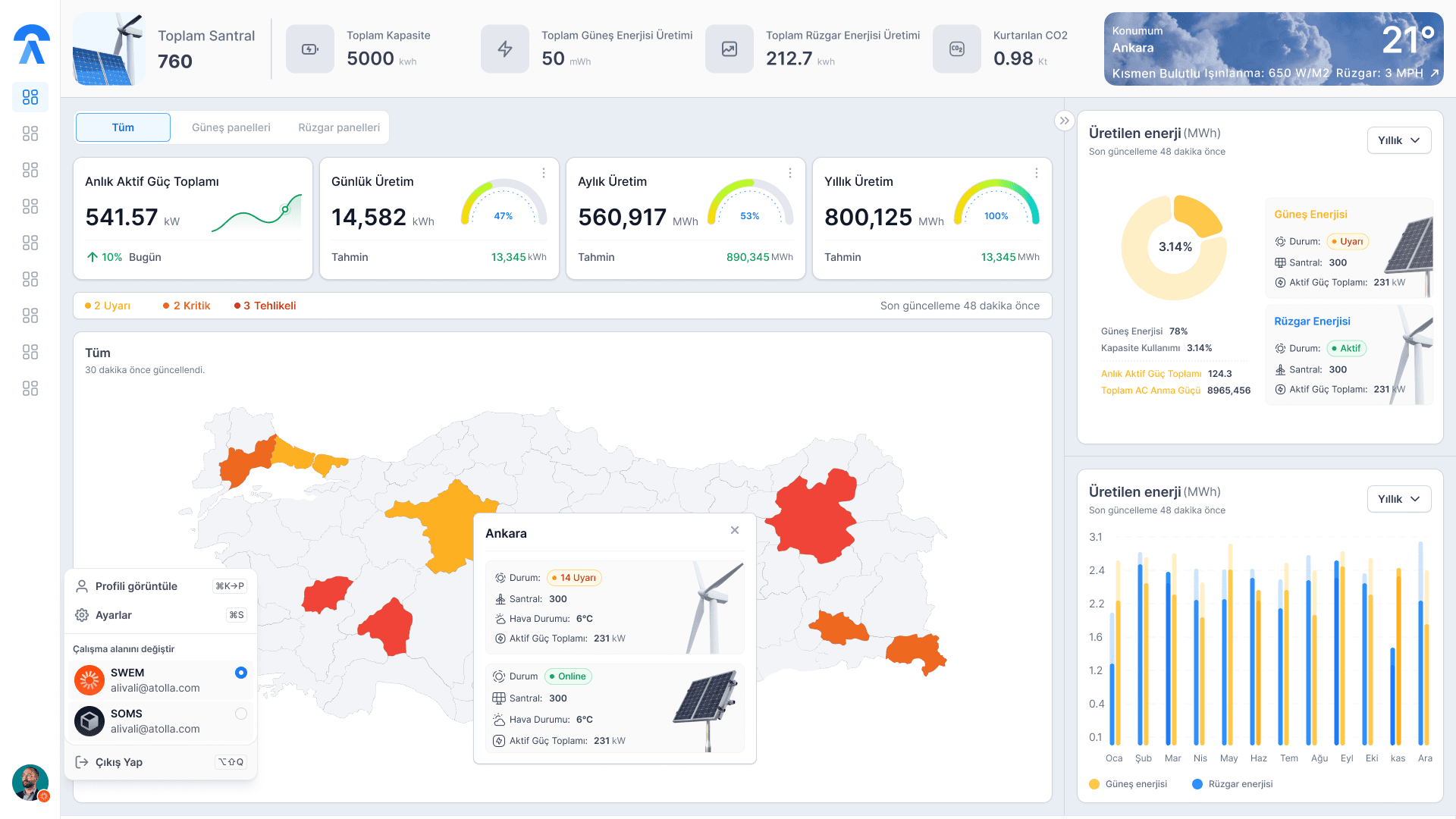
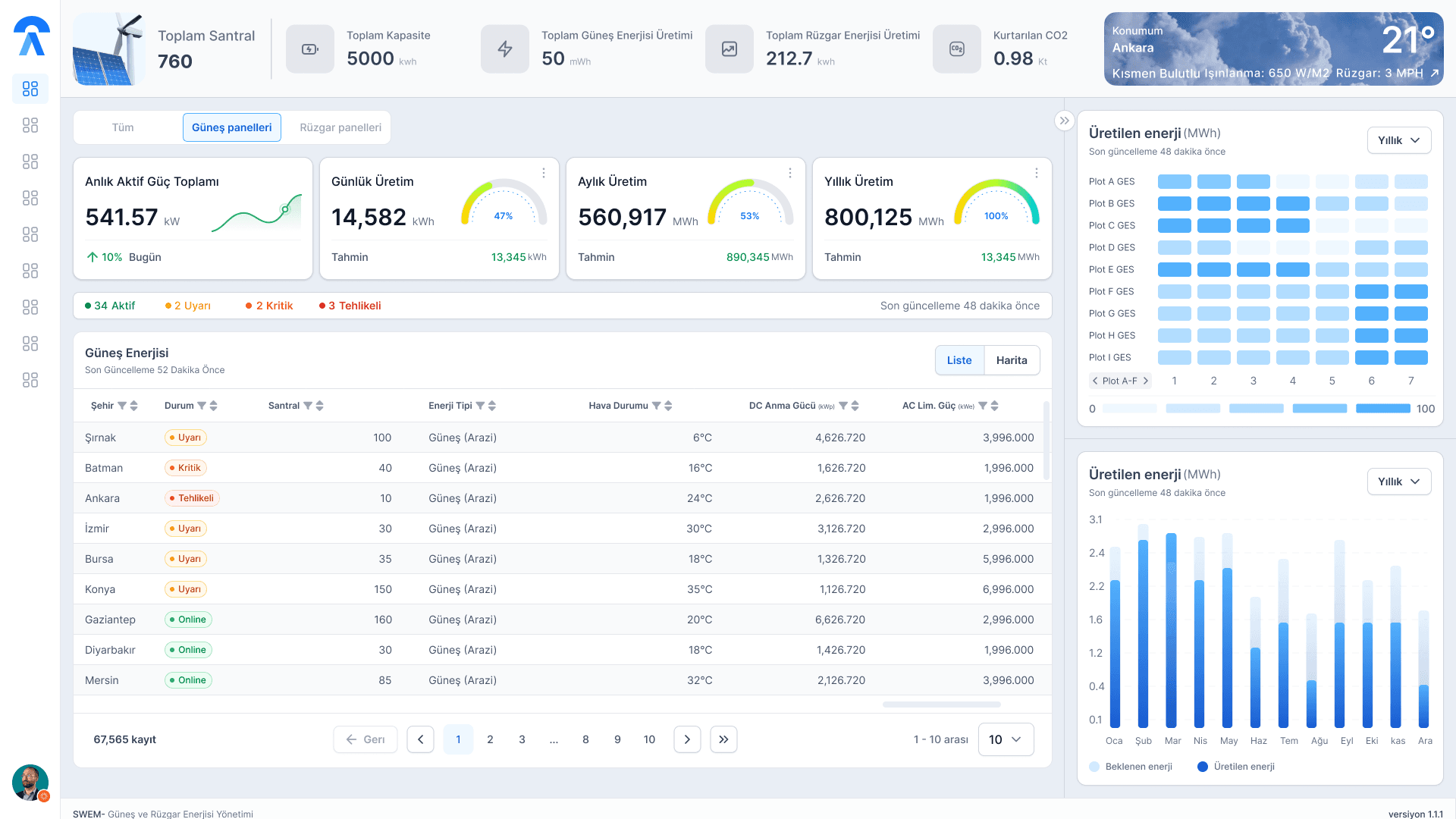
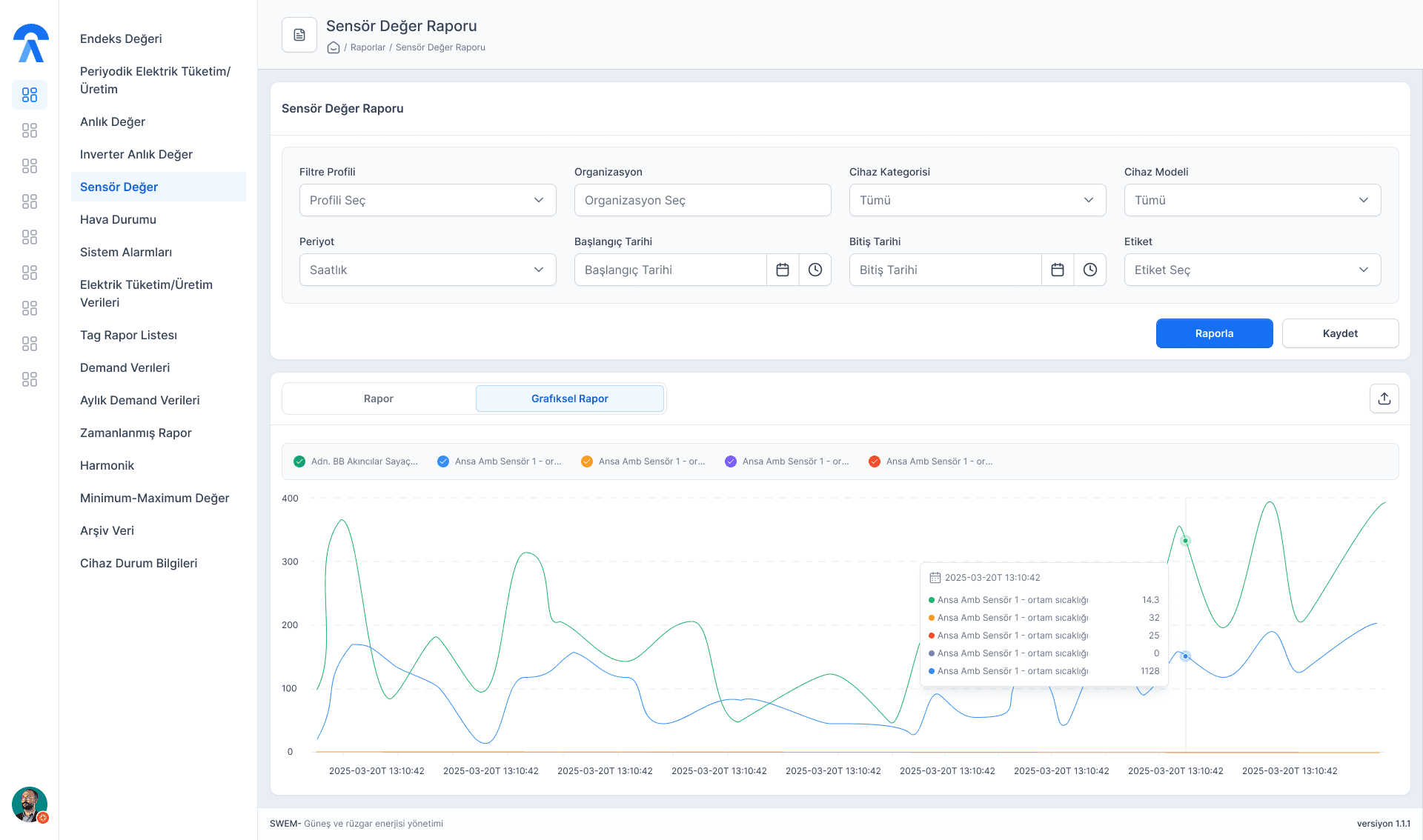
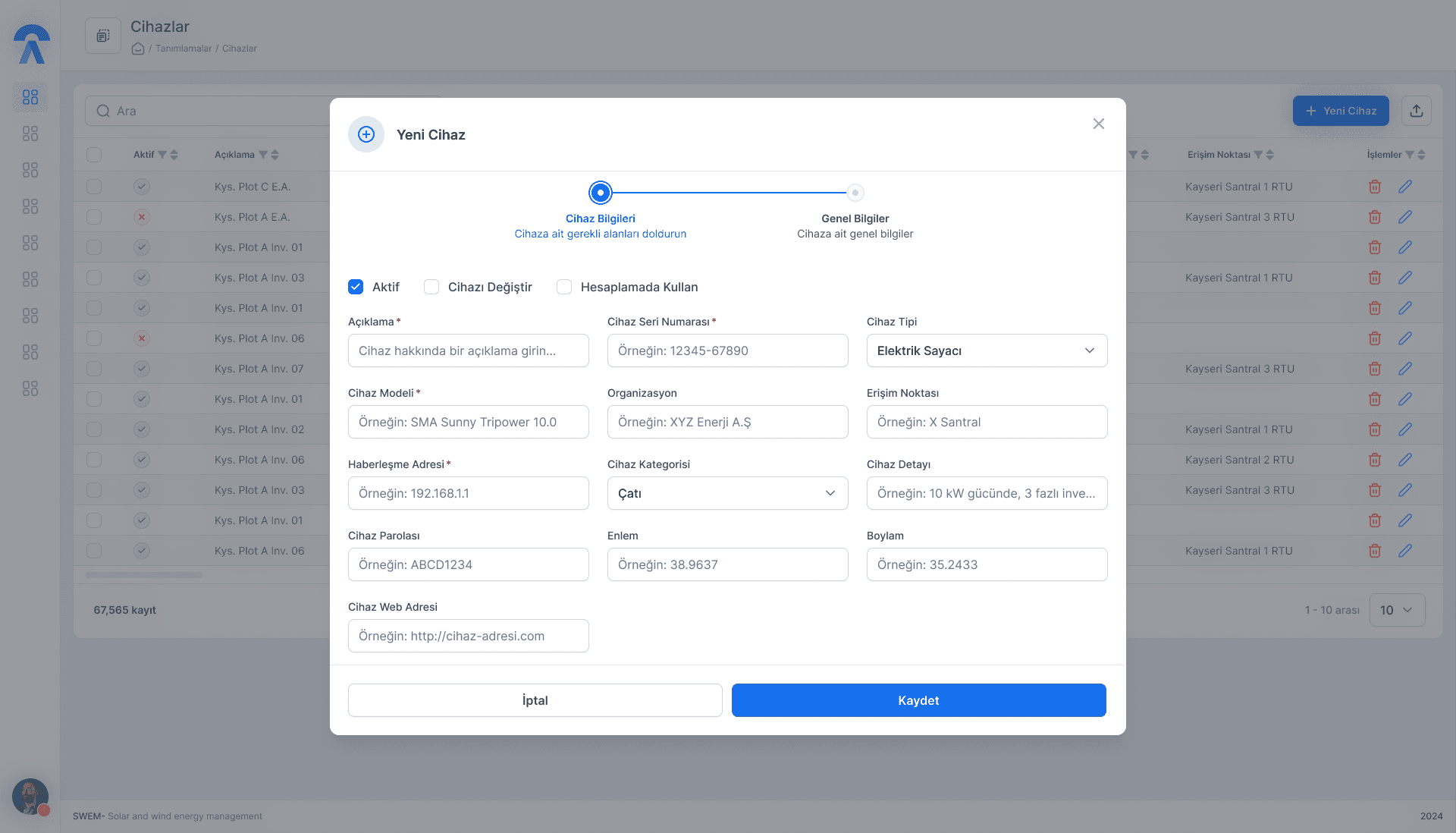
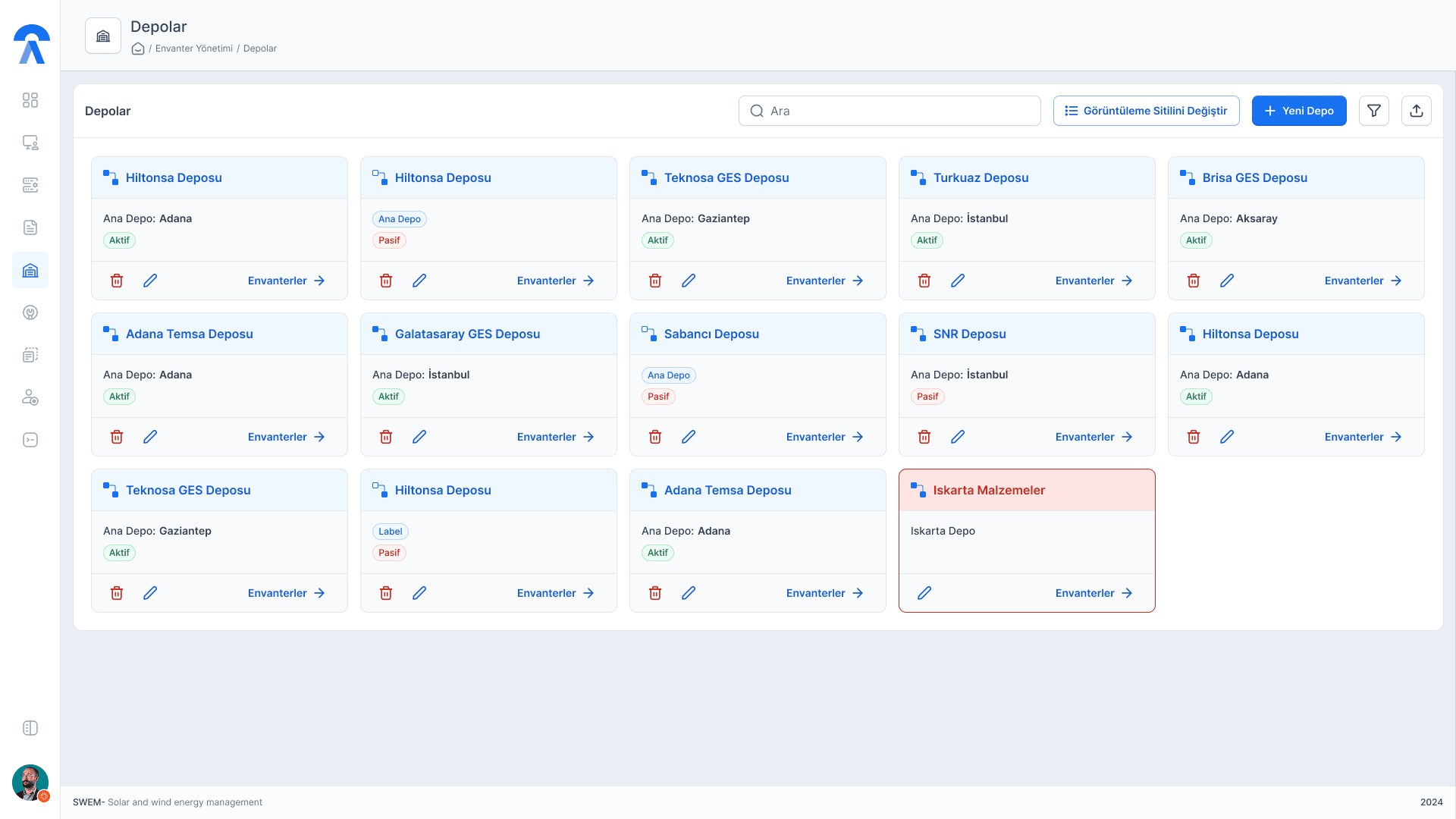
SWEM is a mission-critical platform designed for the real-time monitoring and management of large-scale solar and wind power plants. As frontend developer, I built the interface layer, state architecture, and component system that let operators track performance, manage maintenance schedules, and analyze energy production data — all in one place.
Key Screens
// section.key.screens
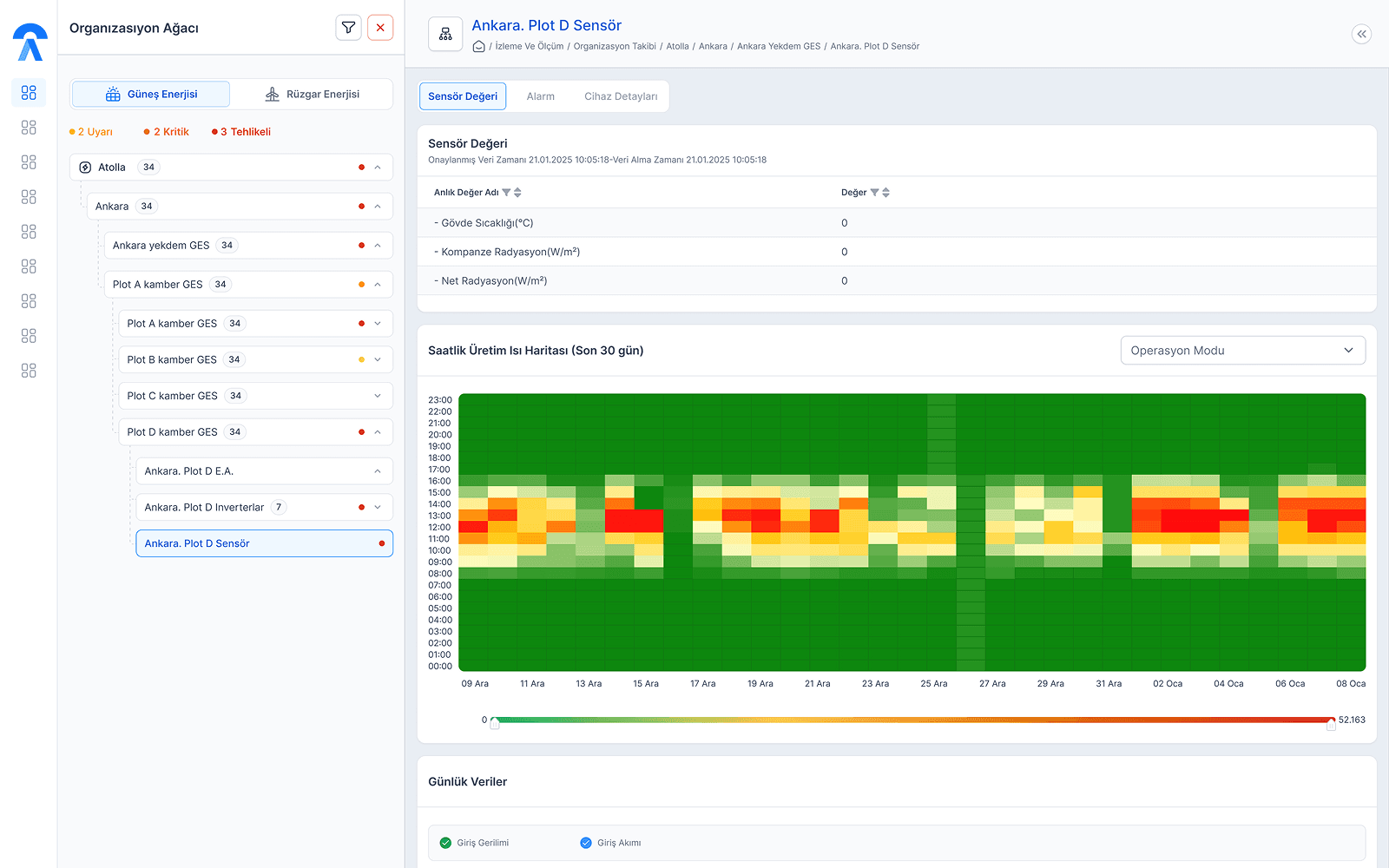
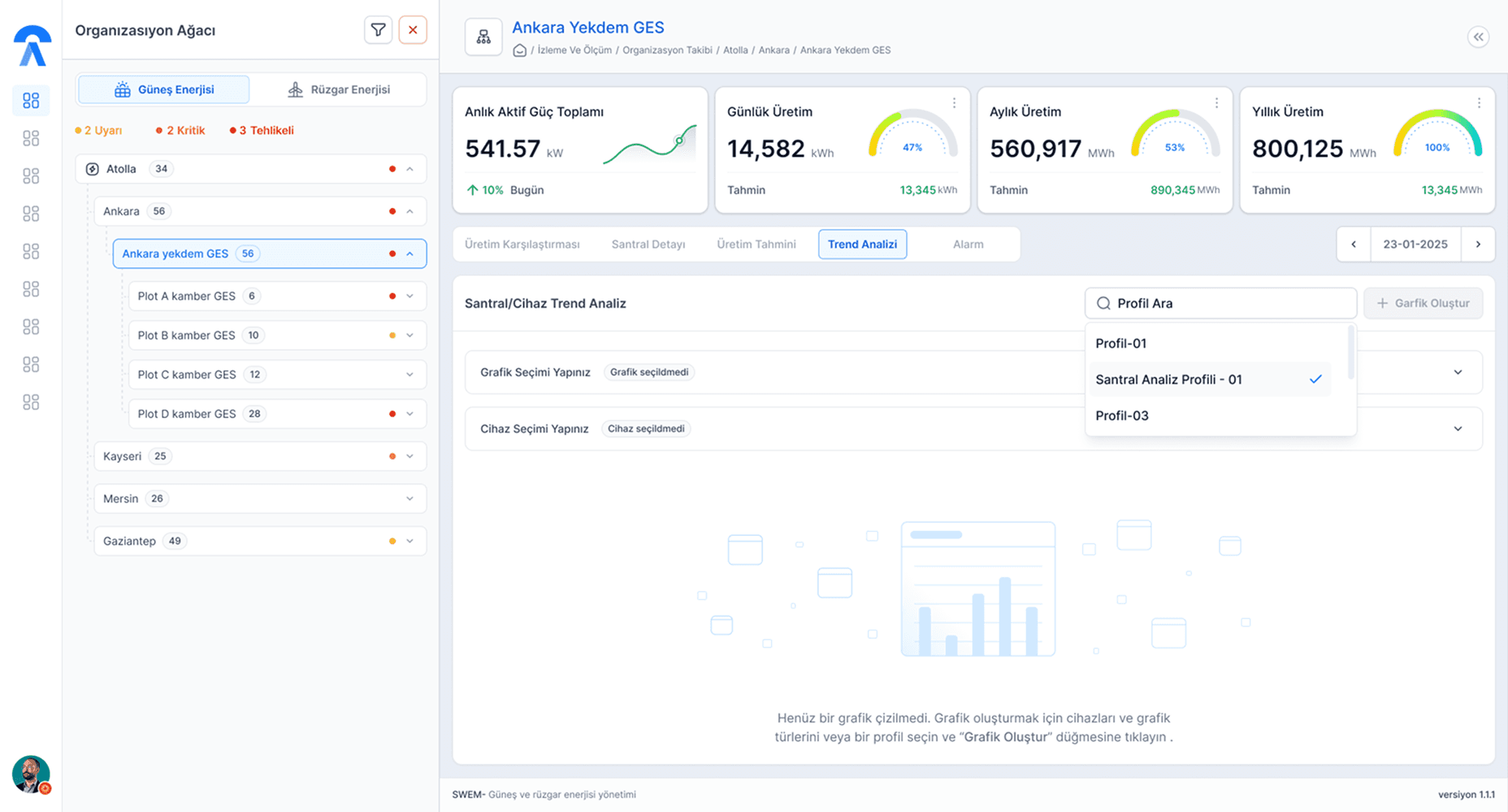
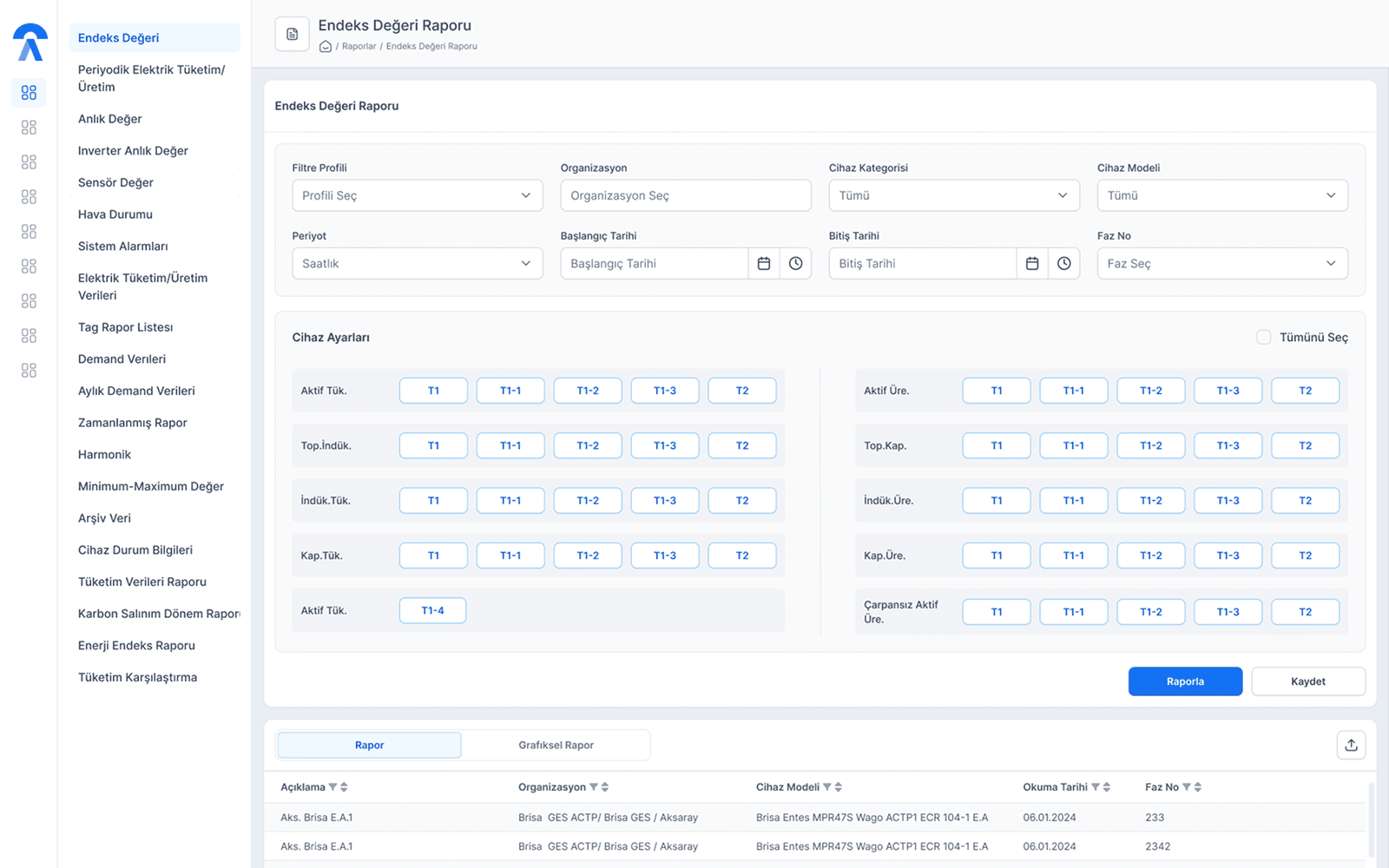
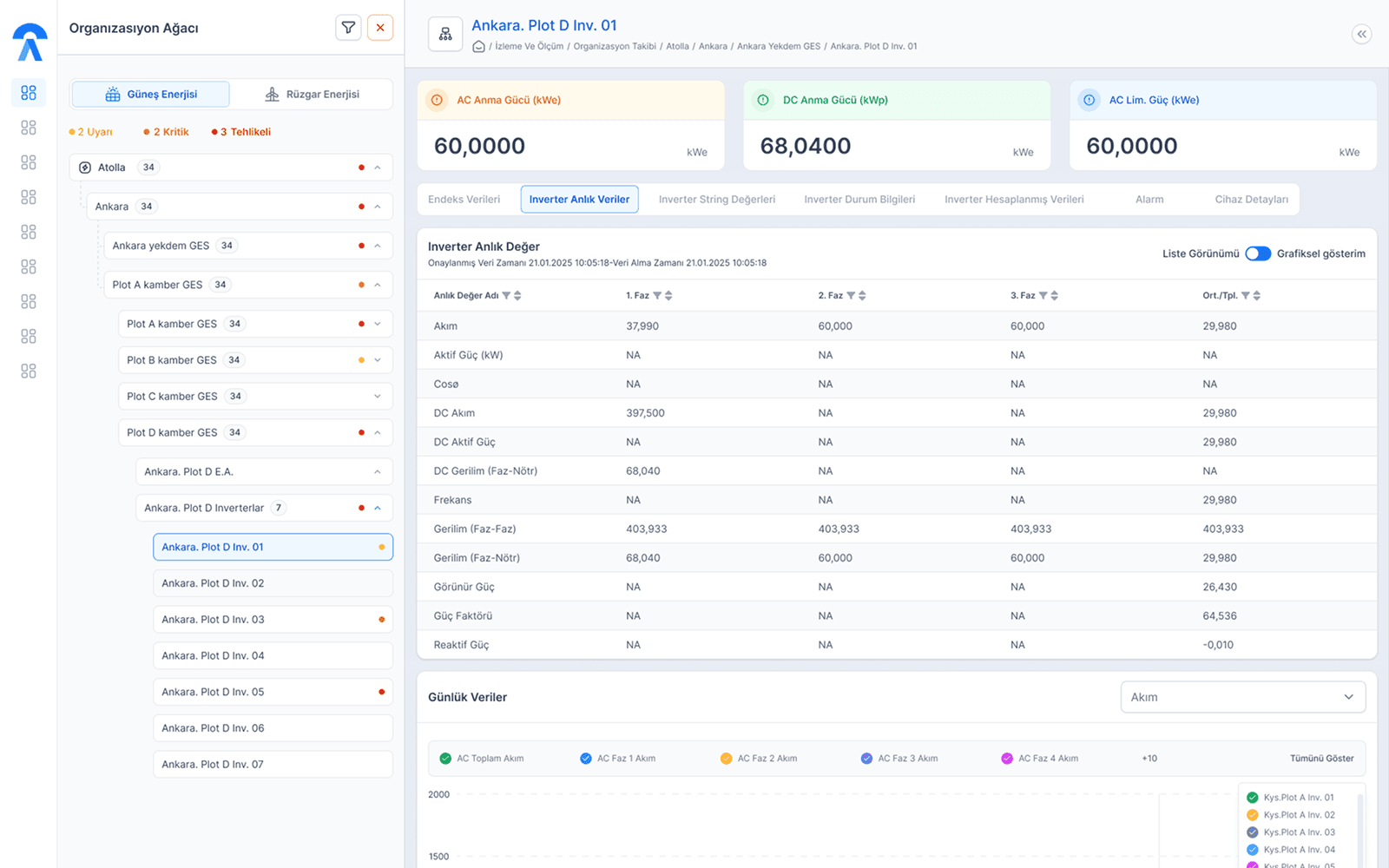
Project Problem
// section.problem
Legacy architecture was costing time, performance ,and operational stability.
Stakeholder Needs
// section.stakeholder.needs
Real-time Monitoring
Low-latency data pipelines for granular visibility across all assets.
Storage Optimization
Efficient client-side state management for battery capacity and energy reserve data
Data Scalability
Robust component architecture capable of managing hundreds of sites without degrading
Performance
Optimized rendering pipeline for near-instant dashboard responsiveness
Customer Needs
// section.customer.needs
Design Process
// section.design.process
RESEARCH
Auditing the legacy codebase to identify performance bottlenecks and tech debt
System Architecture
Structuring state management and data flow to reduce re-render overhead
Prototyping
Technical spikes, API contracts, component flow diagrams
Prebuilt Component Library
Building a typed, reusable component library for consistency
Development
Production-ready components, state logic, API integration
Testing
Unit/integration testing and performance profiling with real datasets
Handoff
Documentation, CI/CD setup, code review, deployment
The Solution
// section.solution
Centralized Data Layer
[01]Unified disparate site data feeds into one normalized, cache-aware state layer.
Performance Boost
[02]Reduced main dashboard load time by 70% through code-splitting and memoization.
Rendering Overhaul
[03]Replaced heavy table rendering with virtualized, interactive charts.
Component Architecture
[04]Built a typed, tested component library that ensures consistency and scalability across all products.
Learning & Reflections
// section.learning.reflections
Performance Engineering Requires Domain Context
Rendering live energy output from dozens of power plants isn't just a charting problem — it requires understanding which data operators actually need at 2am when an alert fires. Close collaboration with engineers and site operators shaped which metrics needed sub-second updates versus which could be lazily loaded.
Predictive Alerting Changes How You Architect State
When operators are flooded with notifications, the UI needs to debounce and prioritize at the data layer, not just the presentation layer. I learned that building an efficient event-filtering pipeline was more valuable than adding more real-time listeners. Alert noise is a state-management problem as much as a UX one.
Scalability Must Be Architected In, Not Refactored Later
With hundreds of power plant sites potentially being added over time, components that rendered fine for 10 sites caused visible jank at 50. Building virtualization, memoization, and modular component boundaries from day one was one of the most important engineering decisions of this project.
Real-World Testing Revealed Edge Cases No Spec Covered
Operators had developed workarounds inside the old system — patterns of usage we never would have discovered without profiling real sessions. Those edge cases became test cases. Without instrumentation and field testing, we would have shipped a faster version of the wrong data model.
Next Project
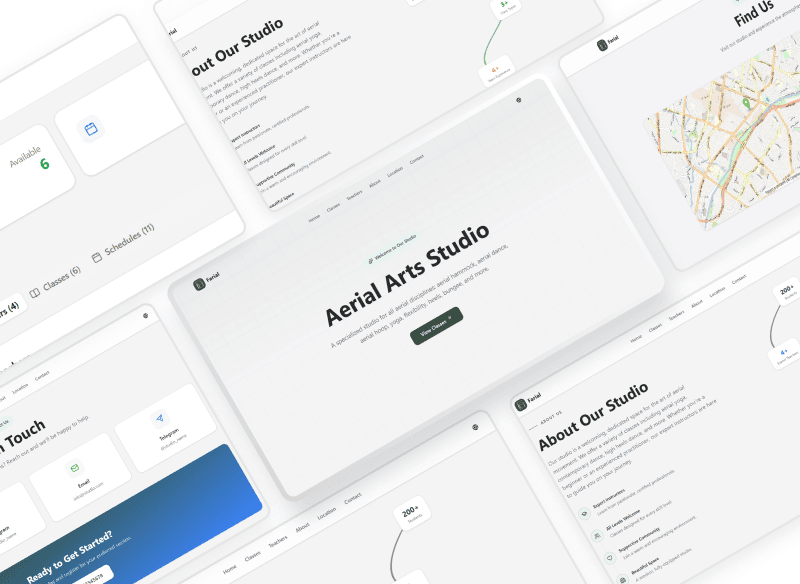
Farial — Dance Class Booking Platform
Front-End Developer

Let's Talk
Ready to build something great together?
I'm currently available for new opportunities and exciting projects.
Feel free to reach out — I usually reply within 24 hours.